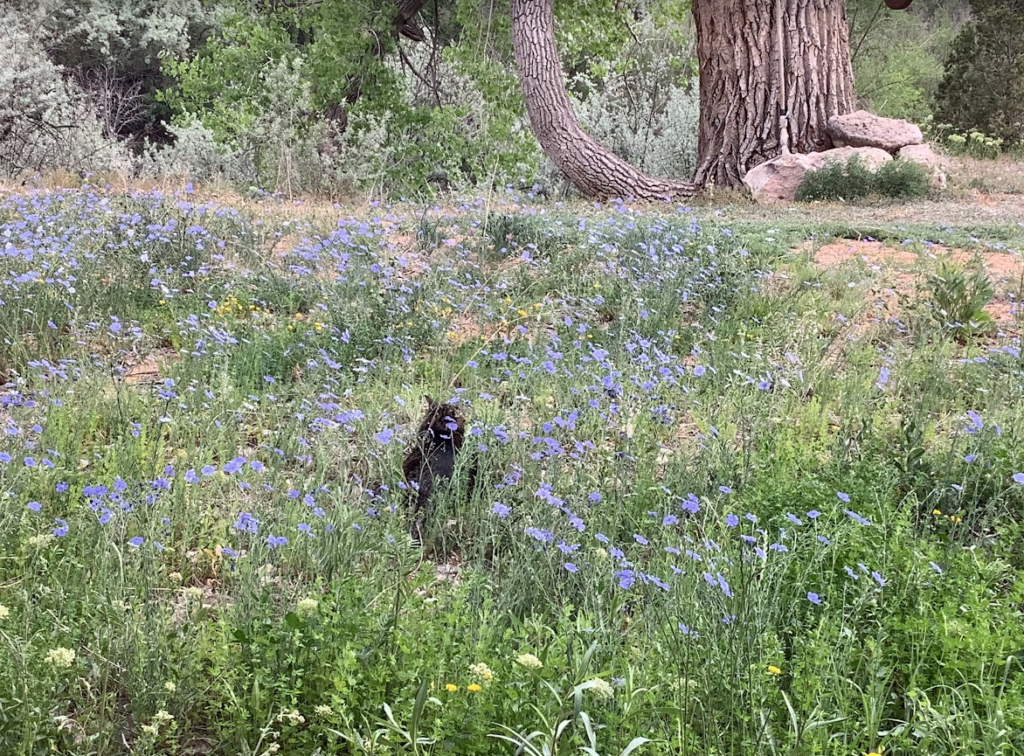

Fall Gardening To-Do List
While the calendar may still say “summer,” as far as the plants are concerned, fall is here!
Plant fall vegetables now. Leafy greens, radishes, beets, and other short-season cool weather crops can be planted now for harvest in late September and October. Seeds typically sprout quickly in warm soil, but some plants may bolt in consistently warm temperatures. Look for varieties of greens that are marketed as “bolt resistant,” or provide light shade (especially in the afternoon) to help keep your harvest going. As the first frost approaches (usually early October in Douglas County), consider protecting your plants with frost cloth or cold frames to extend the harvest even further. More information about cold protection can be found here.
Don’t prune. You can still remove dead branches from trees and shrubs, but only prune your woody plants if you have a compelling reason. Pruning triggers growth; fall pruning triggers growth just when the plant should be preparing for dormancy. Research has shown that pruning in the fall can prevent trees and shrubs from reaching full dormancy in time; prevent careless injury to your plants by waiting until winter to break out the loppers.
Plant bulbs. Colorado is a great place to grow bulbs, and fall is the time to plant them. Make sure that the bulbs are watered after planting to allow for strong root growth and establishment before growth stops over the coldest part of the winter. A blanket of mulch or leaves will help keep the bulbs protected from temperature swings. If you’re gardening in squirrel country (and who isn’t), check out this article for ideas to keep your bulbs safe from marauding wildlife.
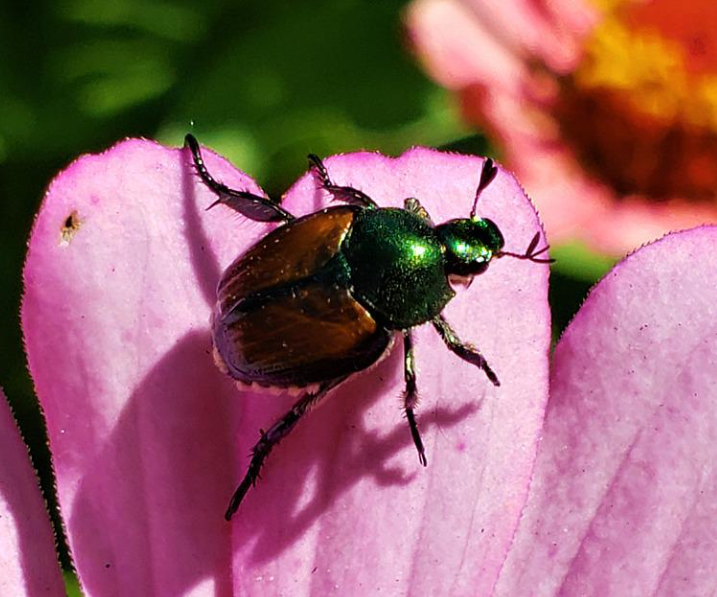
Japanese Beetle Plant Damage Lists
The plants on this list are based on observations submitted by members of the gardening public during the 2021-2023 growing seasons. Some plants may be listed under more than one damage level; this is intentional, since beetle feeding can be influenced by surrounding plants and environmental factors. Want to report observations? Click here. You’ll need the botanic name of your plants and about one minute!
Growing Flowering Meadows From Seed
Learn how CSU Extension is working to bring high-impact, low-input landscapes to a neighborhood near you!